Discover Folk Tales from the Caucasus Region, including stories from Azerbaijan, Armenia, and Georgia filled with clever children, brave heroes, magical creatures, mountain villages, and lessons about courage, kindness, and wisdom.
Caucasus Folk Tales for Children
The Caucasus region sits between the Black Sea and the Caspian Sea, where Europe and Asia meet across mountains, valleys, ancient trade routes, and many languages. For children, this makes the region a fascinating doorway into stories that feel both new and wonderfully familiar. Folk tales from Azerbaijan, Armenia, and Georgia often carry the feeling of mountain paths, village kitchens, royal courts, brave shepherds, clever children, magical birds, and mysterious beings who test a hero’s courage.
This post is especially close to my heart because I was born in Baku, the capital of Azerbaijan. My heritage is rooted there, on the western shore of the Caspian Sea, and writing about the stories of this region feels personal in a way that is hard to separate from memory, family, and belonging. I love that folklore gives us a gentle way to share where we come from with our children, even when that place is far away from our everyday life now.
These stories have been passed down through families, villages, poets, musicians, and written collections. Some are funny trickster tales. Some are heroic adventures. Some feel like fairy tales, with princes, giants, enchanted animals, and impossible tasks. Others are short moral stories that teach children about honesty, gratitude, greed, cleverness, and the importance of listening well.
For families building a home library of folklore books from around the world, the Caucasus is a beautiful region to include. Azerbaijan, Armenia, and Georgia each have their own languages, histories, religions, music, food traditions, and storytelling styles. At the same time, many of their tales share themes that appear across neighboring cultures: hospitality, respect for elders, quick thinking, bravery in the face of danger, and the belief that even a small or overlooked person can change the outcome of a story.
Where These Stories Come From
The Caucasus is not one single culture. It is a richly layered region with many peoples and traditions, so it is helpful to name countries and communities whenever possible.
In Azerbaijan, children may meet Jirtdan, a tiny but clever boy who outwits a frightening div. Azerbaijani tales often include bold heroes, magic carpets, trickster foxes, powerful giants, and stories shaped by Turkic, Persian, and local Caucasian traditions.
In Armenia, folk tales often blend humor, wisdom, faith, family memory, and strong moral lessons. Children may find sparrows who learn the cost of greed, brave heroines such as Anahit, and stories where intelligence and craftsmanship matter as much as royal birth.
In Georgia, folk tales often move through mountain landscapes, villages, kingdoms, forests, and mythic spaces. Georgian story collections include tales of fate, clever peasants, enchanted animals, brave young people, and magical transformations. Some stories are gentle enough for young readers, while older collections may need a parent preview.
Together, these traditions remind children that folklore is not only about faraway magic. It is also about how communities remember what matters.
Common Themes in Caucasus Folk Tales
Many folk tales from Azerbaijan, Armenia, and Georgia include themes children can recognize right away. You will often see cleverness winning over size or strength, courage in the face of frightening creatures, and hospitality treated as something sacred. Many stories also return to respect for elders, love of family, the danger of greed, and the value of hard work or a well-learned skill. Children may meet magical helpers, talking animals, enchanted objects, mountain villages, deep forests, rushing rivers, and characters who must learn that every choice has a consequence.
One of the loveliest patterns in these stories is the way ordinary characters become heroic. A small child, a poor shepherd, a patient daughter, or a humble worker may succeed where stronger or richer characters fail. That is a powerful message for children: wisdom, kindness, and courage are not reserved for the biggest person in the room.
Why Read Folk Tales with Children?
Reading folk tales with children gives families a gentle way to explore a region that many kids may not encounter often in school or mainstream picture books. Stories from Azerbaijan, Armenia, and Georgia can open conversations about geography, language, music, food, migration, mountains, ancient kingdoms, and the many ways people pass stories from one generation to the next.
These tales also make wonderful compare-and-contrast reading. Children may notice that Jirtdan has something in common with other small-but-clever heroes around the world. They may see similarities between Georgian fairy tales and European wonder tales, or between Azerbaijani stories and other Turkic or Persian-influenced traditions. They may recognize that Armenian stories, like many folktales, can be funny and serious at the same time.
After reading, the conversation can stay simple and natural. Children often notice the brave choices first, then the clever turns, the kindness shown along the way, and the small details that make the story feel rooted in a real place. They may also begin to connect these tales with folktales they already know, which is one of the sweetest parts of reading across cultures.
That is the quiet magic of folklore. It helps children learn about the world through story first, before facts become lists.
What Kinds of Caucasus Folk Tale Books Are Best for Children?
Because English-language children’s books from the Caucasus can be harder to find than books from some other regions, it helps to choose with flexibility. Some of the best options are picture books based on one traditional tale. Others are older collections that parents can read first and then share selectively with children.
For preschool and early elementary children, look for picture books with clear plots, expressive illustrations, and a gentle moral arc. These work especially well as read-alouds.
For ages 7 and up, bilingual books and longer collections can be meaningful, especially for families with heritage connections to the region. These books may include more complex language or older storytelling styles.
For older children, classroom use, or family folklore studies, classic collections can be valuable, but they may include violence, dated language, or intense fairy-tale moments. I recommend previewing those stories before reading them aloud to sensitive children.
Books We Love
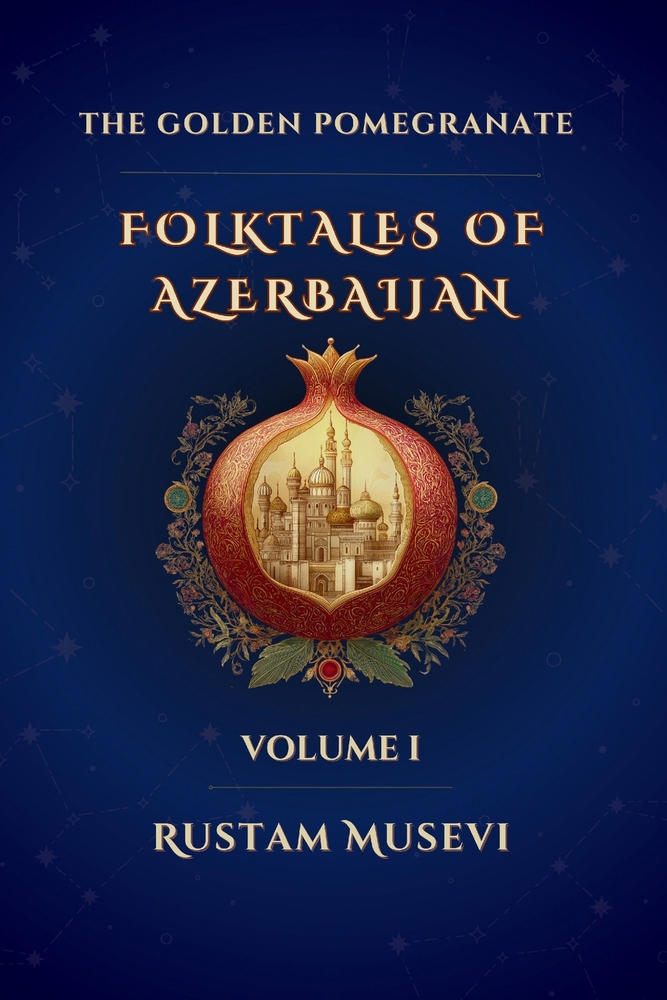
The Golden Pomegranate: Folktales of Azerbaijan
Volume I
By Rustam Musevi
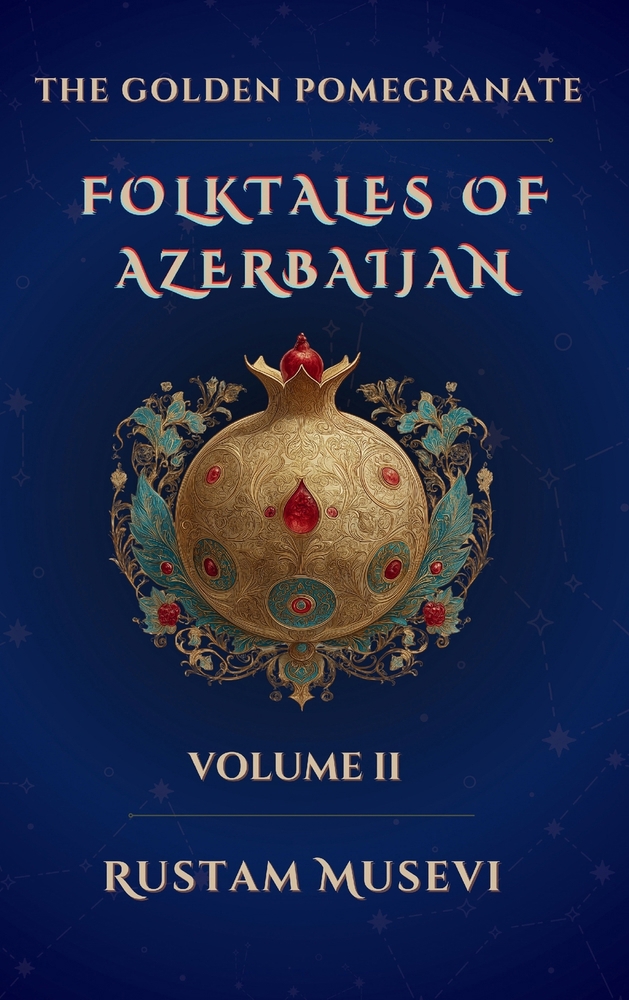
The Golden Pomegranate: Folktales of Azerbaijan
Volume II
By Rustam Musevi
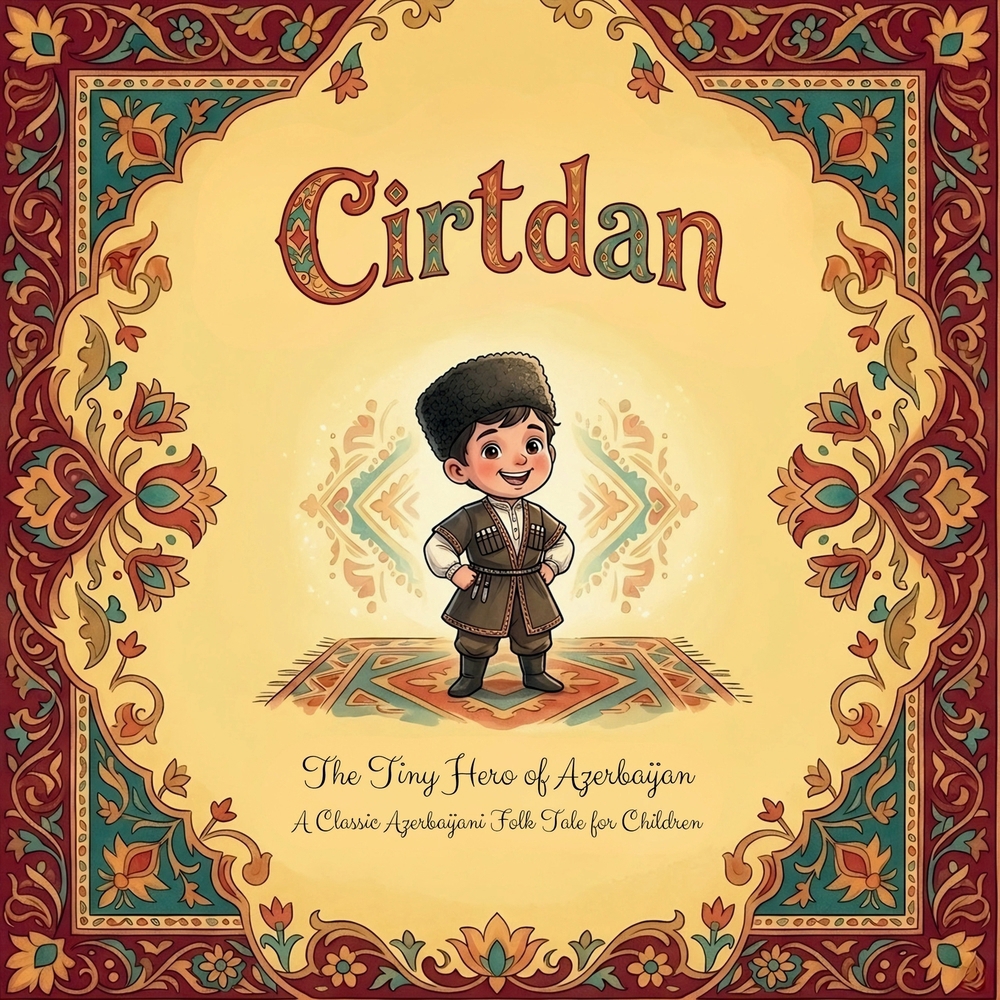
Cirtdan: The Tiny Hero of Azerbaijan: A Classic Azerbaijani Folk Tale for Children
By Kheyransa Alizada
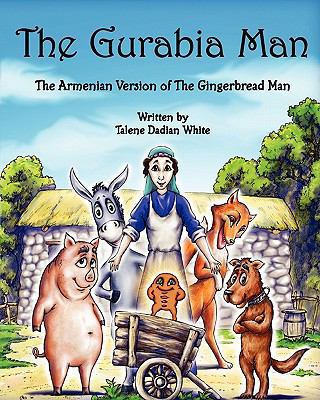
The Gurabia Man: The Armenian Version of The Gingerbread Man
By Talene Dadian White
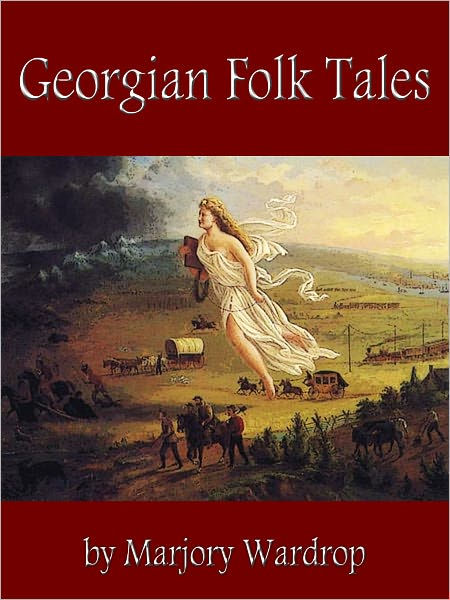
Georgian Folk Tales
Translated by Marjory Wardrop
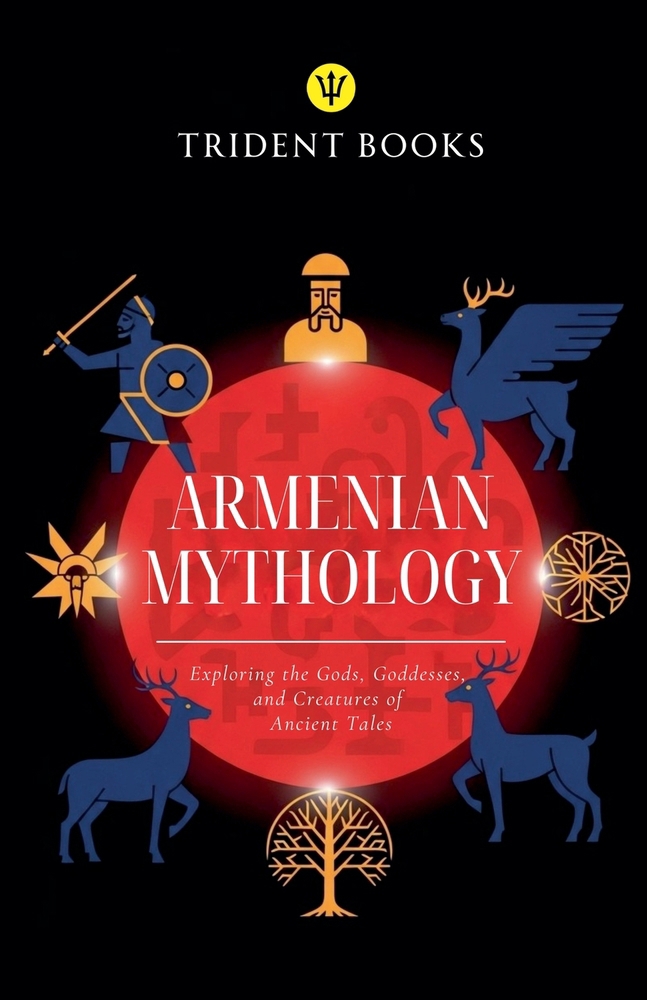
Armenian Mythology: Exploring the Gods, Goddesses, and Creatures of Ancient Tales
By Trident Books
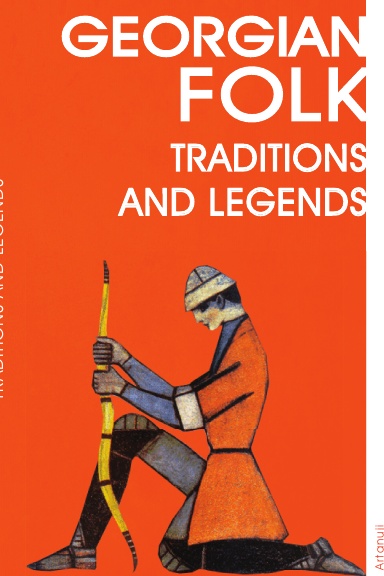
Georgian Folk, Traditions and Legends
This book is about the Georgian folk traditions and legends and brings to light treasures of rich oral traditions of the country, almost unknown in the west.
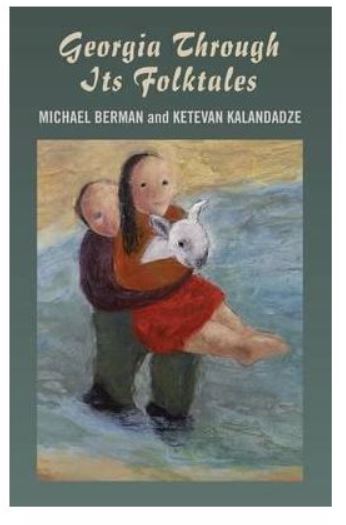
Georgia Through Its Folktales
By Michael Berman and Ketevan Kalandadze